In WoW’s Mythic Dungeons, everything can go wrong if you’re not prepared. If you’re tanking, understand your role and dungeon demands; effective team communication is vital. Should your healer disconnect during a boss fight, know your class well to adapt quickly.
DPS needs to avoid missteps by being aware of their surroundings and sticking close to the tank. Communication and understanding mechanics are essential to prevent never-ending runs and key downgrades. Always analyze mistakes for improvement. With patience, knowledge of dungeon mechanics, and a balanced team, you’ll navigate challenges more smoothly. Stick around, and you’ll gain insights to turn those horror stories into triumphs.
Key Takeaways
- Tank meltdowns often lead to wipes, underscoring the importance of role mastery and communication.
- Healer disconnects during boss fights challenge the team’s adaptability and require quick role adjustments.
- DPS mistakes, like pulling extra mobs, can turn a smooth run into a chaotic struggle.
- Long dungeon runs test patience and strategy, necessitating clear communication and understanding of mechanics.
- Key downgrades result from collective failures, highlighting the need for team analysis and improved coordination.
The Infamous Tank Meltdown
The Infamous Tank Meltdown is every group’s nightmare, where you’ve likely witnessed the backbone of your team crumble under pressure. In the high-stakes world of WoW’s mythic plus and heroic dungeons, the clock is always ticking. This time limit adds a layer of tension that not all types of players handle well. Especially in heroic mode, where every piece of gear and every strategic move counts, a tank meltdown can spell disaster.
A tank meltdown typically occurs when the pressure to beat the clock, manage aggro from multiple mobs, and execute complex mechanics becomes too much. This is where understanding your role and the dungeon’s demands is critical. To avoid this scenario, effective communication with your team is vital. Know the limits of your character and gear, and don’t be afraid to ask for help when needed.
Healer Disconnects at Boss Fight
When you’re in the heat of a boss fight, there’s nothing more critical than your healer’s sudden disconnect. In the demanding environment of a mythic dungeon, where key levels dictate the intensity and item levels gauge your readiness, losing your healer can feel like a death sentence for your run. It’s not just about the immediate panic; it’s the ticking clock against your key level, the potential downgrade, and the loss of valuable loot, possibly even that coveted pvp gear you’ve had your eye on.
In these dire moments, it’s vital to know your class inside and out, understanding not just your role but every utility you might offer to keep the team barely hanging on. Game modes like mythic dungeons test your adaptability, pushing you to think on your feet. Can a DPS with off-healing capabilities step in? Is there a class with a survival cooldown that can buy the group a few precious seconds?
The key is not to despair but to adapt swiftly, leveraging every bit of versatility your team has. It’s a proof to the unpredictable nature of online gaming, especially in high-stakes game modes, where teamwork and quick thinking are just as valuable as your gear score.
DPS Missteps and Mayhem
As important as a healer’s presence is, it’s equally devastating when a DPS makes a critical error, potentially derailing the entire dungeon run. Such missteps, ranging from pulling extra mobs to failing at mechanics, can turn a smooth run into a chaotic mess. It’s essential you understand your role, not just in dishing out damage, but in traversing the dungeon landscape smartly.
Firstly, always be aware of your surroundings. Accidentally pulling additional enemies can overwhelm your group, especially in higher difficulty levels where each mob can pose a significant threat. Stick close to your tank, letting them lead and initiate combat. This tactic minimizes the risk of unwanted encounters.
Secondly, knowing the dungeon mechanics is non-negotiable. Each dungeon has its unique set of challenges, from boss fights to environmental hazards. Failing to dodge area of effect (AoE) attacks or not targeting priority enemies can lead to group wipes. Invest time in learning these mechanics, perhaps through guides or videos, to make sure you’re contributing positively to your group’s success.
The Never-Ending Dungeon Run
Every WoW player dreads what feels like an essential dungeon run, where every turn seems to lead to more chaos and frustration. You’re stuck in a loop of defeat, resurrection, and more defeat, each attempt chipping away at your group’s morale. Here’s how to break the cycle and navigate through the never-ending dungeon run.
Firstly, communication is vital. Make sure you’re all on the same page about tactics and roles. Miscommunication can turn a simple pull into a disaster. Use voice chat if possible, as typing in the heat of battle isn’t ideal.
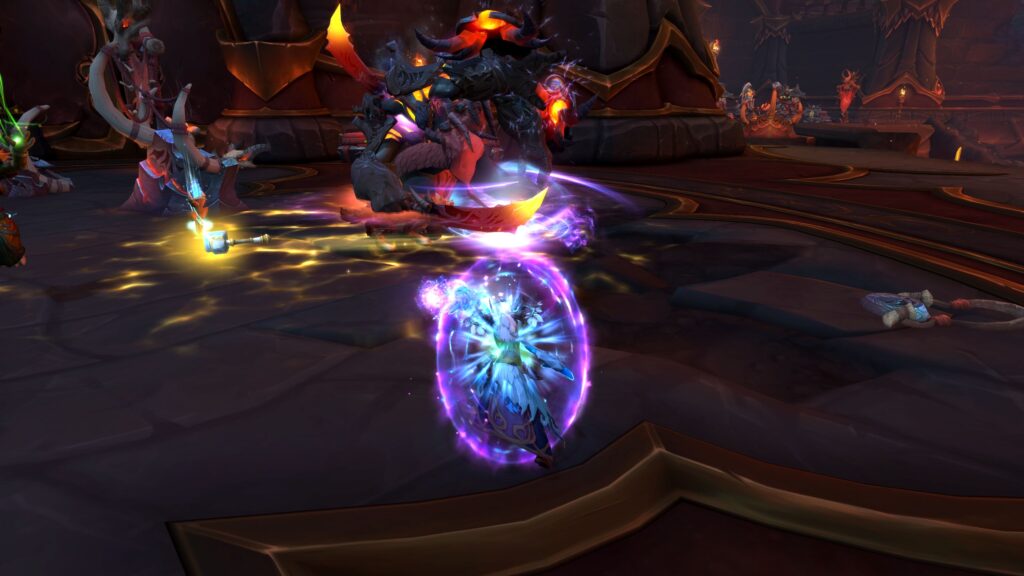
Secondly, understand the mechanics of each boss and trash pack. Knowledge is power. If you know what to expect, you can prepare and react accordingly, reducing the chances of unexpected wipes.
Patience plays an important role. Rushing leads to mistakes. Take your time, especially if you’re with a group that’s not familiar with each other’s playstyles.
Lastly, adapt your strategy. If something isn’t working, be open to trying different tactics. Sometimes, a slight change in approach can make a significant difference.
Key Downgrades and Disappointment
Facing a key downgrade after an arduous mythic dungeon run can be a major letdown, leaving you feeling both frustrated and disappointed. It’s a moment that can deflate your enthusiasm, especially after investing substantial effort and time. However, it’s important to analyze what went wrong to prevent similar outcomes in future runs.
Firstly, understanding the dungeon mechanics is essential. Each mythic dungeon in WoW comes with its own set of challenges and boss mechanics. Familiarizing yourself with these can greatly reduce the chances of mistakes that lead to key downgrades. Utilize resources like guides or videos that break down each encounter in detail.
Team composition also plays a crucial role. Ensuring your group has a balanced mix of damage, healing, and tanking capabilities can make a difference. Certain classes and specializations might be more suited to specific dungeons due to their abilities to counter particular mechanics.
Communication is another important factor. A well-coordinated team that communicates effectively can navigate through challenging sections more efficiently. Establish clear roles and strategies before engaging in difficult encounters.
Lastly, practice patience and perseverance. Learning from each run, regardless of the outcome, is part of the process. Don’t let key downgrades discourage you. Instead, view them as opportunities to improve and strategize for future successes.
Frequently Asked Questions
What Are the Psychological Effects on Players After Experiencing a Series of Failed Mythic Dungeon Runs?**
After a series of failed mythic dungeon runs, you might feel frustrated, demotivated, or even anxious about trying again. It’s common to question your skills or feel wary of teaming up with strangers.
How Do Experienced Players Recommend Coping With the Frustration of Repeated Group Failures in Mythic Dungeons?**
Experienced players suggest taking breaks, reflecting on gameplay to learn from mistakes, and communicating openly with your group to improve. It’s also helpful to remember it’s a game, meant for fun, even when challenging.
Are There Any Under-The-Radar Strategies to Prevent Group Disbanding After a Catastrophic Mythic Dungeon Attempt?**
To avoid your group disbanding after a disastrous run, try designating a pep-talker. They’ll keep spirits high and remind everyone errors are stepping stones, not roadblocks. It’s about learning, not just winning.
What Impact Do Mythic Dungeon Horror Stories Have on the Willingness of New Players to Engage in High-Level Content?**
You might find that horror stories from mythic dungeons can scare new players away from high-level content. They fear repeating those mistakes, causing a reluctance to immerse themselves and potentially miss out on great experiences.
How Do Guilds and Communities Handle Internal Conflict Arising From Mythic Dungeon Failures, Especially When It Comes to Assigning Blame?**
When your guild faces internal conflict from mythic dungeon failures, it’s important to communicate openly. Avoiding blame games and focusing on constructive feedback can help keep the team’s morale high and improve future runs.
Conclusion
So, you’ve ventured through the gauntlet of mythic dungeon horrors, facing down every conceivable disaster with the grace of a headless chicken in a fox den. Remember, the true secret to conquering these trials isn’t just about honing your skills or perfecting your strategy; it’s about embracing the chaos that inevitably comes with the territory. Keep your wits sharp and your spirits high, because in the world of Azeroth, the next epic fail might just be your ticket to legendary success.