

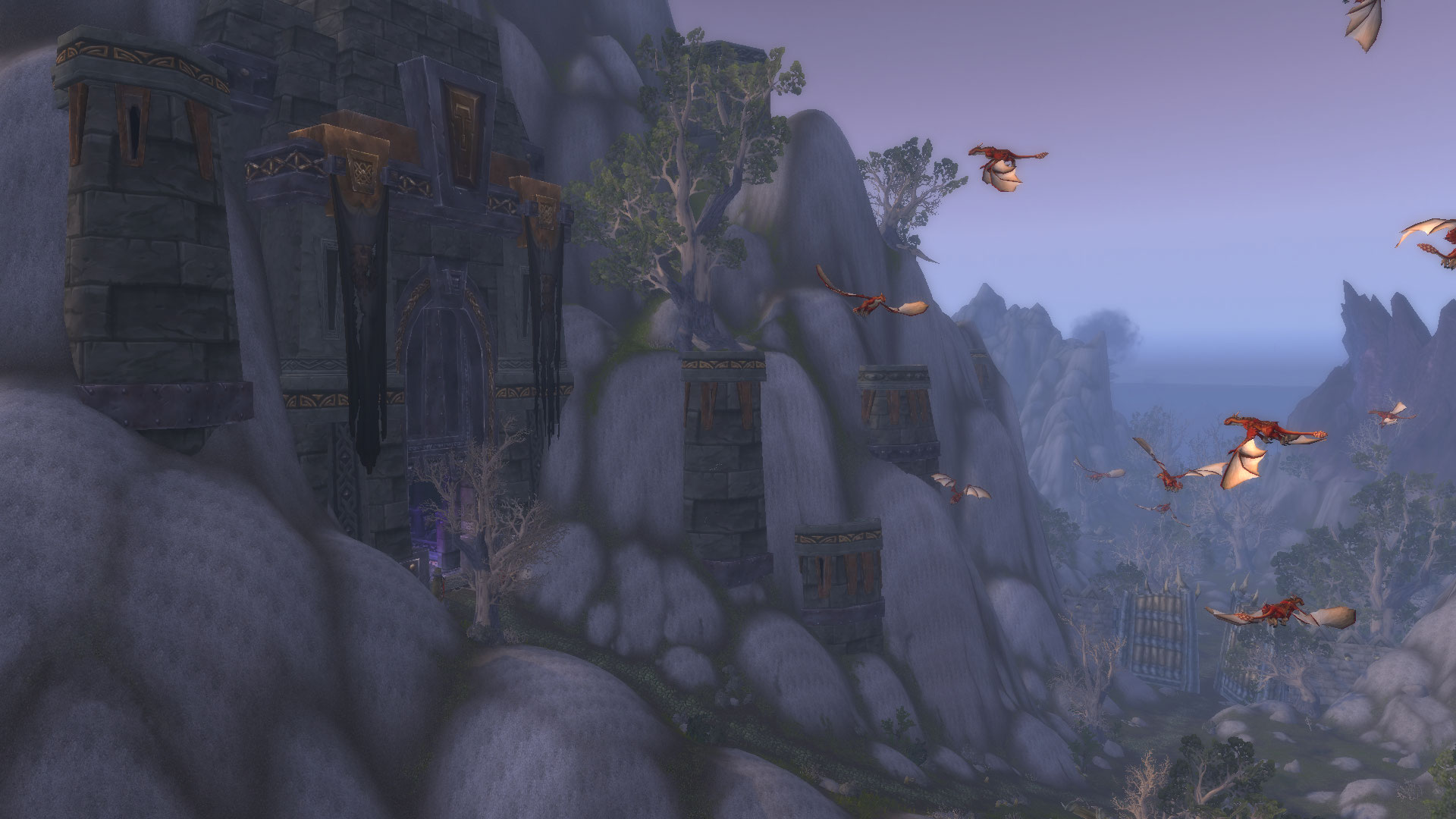
The enslavement of the Red Dragonflight by the Dragonmaw Clan at Grim Batol Fortress is a dark chapter in Azeroth’s history. This guide explores the intricate details of this tragic event, the motivations behind the Dragonmaw Clan’s actions, and the broader implications for the world of Warcraft. Understanding this history is crucial for players seeking to grasp the complexities of dragon lore and the ongoing conflicts in the game.
What were the Dragonmaw Clan’s motivations for enslaving the Red Dragonflight?
The Dragonmaw Clan sought to enslave the Red Dragonflight primarily for power and control, aiming to harness the dragons’ immense magical abilities for their own gain.
The Dragonmaw Clan, a faction of orcs, was driven by a desire for dominance and the pursuit of arcane power. Their enslavement of the Red Dragonflight was not merely an act of cruelty; it was a calculated strategy to bolster their strength against rival factions. The Red Dragons, known for their healing abilities and mastery of fire, represented a significant asset in the ongoing conflicts of Azeroth. By capturing these dragons, the Dragonmaw Clan aimed to turn them into weapons of war, leveraging their powers to intimidate foes and assert their dominance across the region.
This enslavement was facilitated by the clan’s deep-rooted connections with dark magic and their willingness to employ brutal tactics. The Dragonmaw utilized powerful artifacts and rituals to bind the dragons to their will, stripping them of their autonomy. This not only showcased the clan’s ruthlessness but also highlighted the moral decay that enslavement brings, affecting both the captors and the captives. The consequences of these actions would resonate throughout the lore, influencing the dynamics of dragonkind and the fate of the Dragonmaw Clan itself.

How did the Dragonmaw Clan capture and enslave the Red Dragons?
The Dragonmaw Clan employed a combination of dark magic, brute force, and strategic planning to capture and enslave the Red Dragons at Grim Batol.
The process of capturing the Red Dragons was fraught with danger and required meticulous planning. Initially, the Dragonmaw Clan would scout the territories where the Red Dragons nested, identifying weak points in their defenses. Once a target was chosen, they would launch coordinated attacks, using their superior numbers and weaponry to overwhelm the dragons. The orcs were known for their ferocity in battle, and this was amplified by their use of warlocks who could summon demonic entities to assist in the capture.
Once captured, the dragons were subjected to powerful binding spells that forced them into servitude. These spells were often inscribed on ancient artifacts that the Dragonmaw Clan had unearthed, allowing them to exert control over the dragons’ minds and bodies. The psychological impact of such enslavement was profound, as the once-proud Red Dragons were reduced to mere tools of war. The clan’s warlocks would frequently perform rituals to reinforce their control, ensuring that any attempts at rebellion were swiftly quashed. This systematic approach to enslavement not only showcased the Dragonmaw’s tactical prowess but also their complete disregard for the sanctity of life.
- Scout Red Dragon territories to identify nesting locations and weaknesses.
- Launch coordinated attacks using superior numbers and warlock support.
- Utilize ancient artifacts to bind dragons with powerful spells.
- Perform rituals to maintain control and suppress rebellion attempts.
What were the consequences of the Dragonmaw Clan’s actions at Grim Batol?
The consequences of the Dragonmaw Clan’s enslavement of the Red Dragonflight were far-reaching, leading to significant shifts in power dynamics and the eventual rise of resistance movements.
The enslavement of the Red Dragons at Grim Batol not only impacted the dragons themselves but also altered the balance of power within Azeroth. The Dragonmaw Clan initially gained a tactical advantage, using the dragons in battles against their enemies. However, this advantage came at a cost; the dragons’ suffering and the moral implications of their enslavement sparked outrage among other factions, including the Alliance and the Horde. This outrage eventually led to a coalition of forces that sought to liberate the dragons and punish the Dragonmaw Clan for their crimes.
In the long term, the enslavement of the Red Dragonflight contributed to the rise of the Dragonmaw’s enemies, who united against the common threat posed by the clan. The dragons, once symbols of power, became martyrs for the cause of freedom, inspiring other races to rise against oppression. The eventual liberation of the Red Dragons marked a turning point in the ongoing conflict, leading to the downfall of the Dragonmaw Clan and a reevaluation of the treatment of dragons across Azeroth. This history serves as a reminder of the consequences of unchecked ambition and cruelty.
| Consequence | Impact on Dragonmaw Clan | Impact on Red Dragonflight | Broader Implications |
|---|---|---|---|
| Loss of Power | Decline in influence and territory | Restoration of autonomy | Unification of opposing factions |
| Outrage from Allies | Increased hostility and attacks | Symbol of resistance | Heightened tensions in Azeroth |
| Rise of Resistance | Formation of coalitions against them | Empowerment of other dragons | Long-term conflict escalation |
What were the key events leading to the liberation of the Red Dragons?
The liberation of the Red Dragons was marked by a series of key events, including the formation of alliances and strategic battles against the Dragonmaw Clan.
The path to liberation began with the growing awareness of the Dragonmaw Clan’s atrocities. As news of the dragons’ enslavement spread, various factions within Azeroth began to unite against the common enemy. The Alliance and the Horde, historically at odds, recognized the need to set aside their differences to confront the Dragonmaw Clan. This unprecedented alliance was a crucial turning point, as it brought together diverse forces with a shared goal: to free the Red Dragons and restore balance to the realm.
Strategic battles ensued, with coordinated assaults on Dragonmaw strongholds. These battles were characterized by their intensity and the high stakes involved, as both sides fought fiercely for control. Key figures emerged during this period, including champions from both the Alliance and the Horde, who led the charge against the Dragonmaw Clan. The culmination of these efforts was a decisive battle at Grim Batol, where the combined forces launched a final assault to liberate the enslaved dragons. This battle not only marked the end of the Dragonmaw Clan’s reign of terror but also symbolized the resilience of those who fight against oppression.
What lessons can be learned from the Dragonmaw Clan’s crimes at Grim Batol?
The crimes of the Dragonmaw Clan at Grim Batol serve as a cautionary tale about the dangers of unchecked ambition and the moral implications of enslavement.
One of the primary lessons from this dark chapter in history is the importance of recognizing the value of all life. The Dragonmaw Clan’s disregard for the autonomy and dignity of the Red Dragons highlights the consequences of viewing beings as mere tools for power. This perspective not only leads to suffering for the oppressed but also corrupts the oppressor, fostering a cycle of violence and retribution. Understanding this dynamic is crucial for players who wish to engage with the lore of Warcraft meaningfully.
Moreover, the eventual liberation of the Red Dragons underscores the power of unity and resistance against tyranny. The coalition formed by the Alliance and the Horde serves as a reminder that collaboration can lead to significant change, even in the face of overwhelming odds. This narrative encourages players to reflect on their own actions within the game, promoting a sense of responsibility and ethical consideration in their quests. Ultimately, the history of the Dragonmaw Clan and the Red Dragonflight is a poignant reminder of the ongoing struggle for freedom and justice in Azeroth.
Frequently Asked Questions
What was the role of Grim Batol in the enslavement of the Red Dragons?
Grim Batol served as the primary stronghold for the Dragonmaw Clan, where they captured and enslaved the Red Dragons. The fortress provided strategic advantages for the clan, allowing them to conduct their dark rituals and maintain control over the dragons.
How did the Red Dragons resist their enslavement?
The Red Dragons attempted to resist their enslavement through acts of defiance and rebellion, though these efforts were often met with brutal suppression. Their inherent magical abilities and strength made them formidable opponents, but the binding spells used by the Dragonmaw Clan severely limited their capacity to fight back.
What impact did the Dragonmaw Clan’s actions have on dragonkind?
The Dragonmaw Clan’s actions had a profound impact on dragonkind, leading to a reevaluation of the treatment of dragons across Azeroth. The enslavement of the Red Dragons sparked outrage and resistance, ultimately fostering a sense of solidarity among dragons and their allies, which influenced future interactions between dragons and other races.
